

Totting up and exceptional hardship solicitors
12 points doesn't have to mean a ban
At 12 points the court will normally ban you for at least six months, unless it accepts that a ban would cause exceptional hardship. A former prosecutor will tell you straight whether you have that argument.
- Over 20 years on the prosecution side of road traffic law
- A straight answer, even if it's not what you hoped
- Fixed fees agreed up front, with payment by instalments
No obligation. Or call free on 08000 556631
5.0 46 Google reviews- 5.0 on Google, 46 reviews
- SRA regulated, No. 614279
- We respond within 24 hours
- Our founder wrote Defend Your Licence
Most people walk into court unprepared
You're at 12 points and it feels like the ban is already decided. It isn't. The magistrates have to decide whether a ban would cause exceptional hardship, and the law doesn't define it.
So it comes down to the evidence in front of them on the day, and how it's put.
Ordinary hardship isn't enough. It has to be exceptional.Losing your job alone may not be enough. The drivers who keep their licence are usually the ones whose case was properly prepared.
What can make an exceptional hardship argument
Every case is different. These are the areas the court looks at most often.
Your finances
The most common ground. What a ban would really do to your household, shown in figures.
People who rely on you
Children, a partner, or a relative you drive for. Hardship to others carries real weight.
Your business
Staff, contracts and customers affected if you can't drive.
Your job
Whether your work depends on driving, and what follows if you can't.
Where you live
Remote areas with no realistic public transport.
Limited mobility
Your own health, or the health of someone you care for.
One well-evidenced point can change the outcome.
Get free initial adviceWhat to have ready for your free advice call
You don't need all of it to call. But the more of this we have, the quicker we can tell you whether you have an argument.
- Your court letter, and the date of your hearing if you have one
- Your points: what's on your licence now, and the new offence. You can check them on GOV.UK.
- Your work: what you do, and whether it depends on driving
- The people who rely on you: children, a partner, or anyone you drive for
- Your outgoings: rent or mortgage, loans and household bills
- Anything about where you live or your health that makes getting around hard
What clients say
5.0 from 46 Google reviews
Facing a ban, kept the licence
"My local solicitor had advised me that I would likely have to plead guilty and was facing a driving ban. … Thanks to their hard work and expertise, I was able to keep my driving licence"
Both sides of the case
"Andrea really has the experience to look at a case both from the defence and prosecution side."
A job saved
"Outstanding legal advice … They saved my sons job and saved me thousands of pounds."
Straight about every outcome
"ensuring I understood every possible outcome … so I always knew where I stood. … I also really appreciated that Auriga Advocates offered flexible payment plans"
HGV driver, livelihood kept
"Losing my licence would of meant losing my livelihood, my house, my car, everything that I own … I can keep my licence and therefor my livelihood."
A call back within minutes
"Andrea who responded to my enquiry at 6.55pm on a Saturday night within minutes! I never expected a call so quickly and the honest too goodness advice that came with it was brilliant!"
What happens when you contact us
Free initial advice
Tell us your points, the new offence and your court date.
We look at your circumstances
Work, family, finances: everything a ban would affect.
We tell you where you stand
Whether you have an argument, how strong it is, and the fixed fee.
We build your case
Statements, documents and evidence, prepared for court.
We represent you
An experienced advocate puts your argument to the magistrates.
A former prosecutor on your side

Andrea spent over 20 years prosecuting road traffic offences, and for many years was a fatal road traffic specialist. She oversees every case.
We will never advise you to take a case to trial unless we know you have a very strong defence.
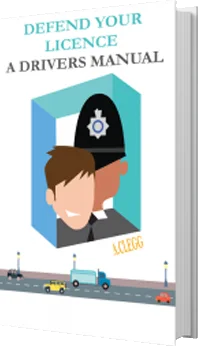
Author of Defend Your Licence, published in 2016.
Prepared for court
In exceptional hardship cases it's usually better to appear in person. We make sure the argument and the evidence are ready.
Advocates we know and trust
Your case is presented by experienced solicitor-advocates and barristers from our own panel.
Fixed fees, agreed before you commit
You'll know the cost up front, and you can pay in instalments.
Straight answers
If we don't think you have an argument, we'll tell you.
Common questions about totting-up bans
How many points before I'm banned?
12 or more within three years. The court will normally disqualify you for at least six months. It's at least 12 months if you've had a ban of 56 days or more in the last three years.
Can I avoid a totting-up ban?
Possibly. If the court accepts that a ban would cause exceptional hardship, it can decide not to ban you. These applications are more likely to succeed when they're properly prepared and presented.
What counts as exceptional hardship?
There's no set definition. Ordinary hardship isn't enough: it has to be exceptional. Hardship to other people, such as family who depend on you or staff in your business, often carries weight.
Is losing my job enough?
Losing your job alone may not be enough. The court looks at the knock-on effects too: on your family, your finances and anyone else who relies on you.
I'm on 9 points with another offence coming. Should I call now?
Yes. Talk to us before you accept more points, so we can check whether you'd have an argument.
Do I have to go to court?
In exceptional hardship cases it's usually better to appear in person. If you don't attend, the court can go ahead and may ban you in your absence.
I've argued exceptional hardship before. Can I do it again?
You can, but not on the same grounds. Tell us what was argued last time and we'll tell you whether there's a new argument.
What if the magistrates still ban me?
You can appeal against the sentence to the Crown Court, normally within 21 days.
How much does it cost?
We agree a fixed fee before you commit, and you can pay in instalments. Initial advice is free.
The sooner you call, the more we can do
Tell us how many points you have, what the new offence is and when your court date is. We'll tell you straight whether you have an argument.
- Free initial advice, no obligation
- Rated 5.0 from 46 Google reviews
- We respond within 24 hours
- Fixed fees, payment by instalments
Rather talk now? Call free
08000 556631